
Is Your Chimney Cranking Up Your Allergies?
- Hits: 270
Smoke from a fireplace and chimney can be problematic for people with certain seasonal and chronic allergies. If this sounds like you, Keystone’s Fireplace & Stove of Mechanicsburg, PA, would like to share some ideas that might bring you some relief.
 Make less smoke
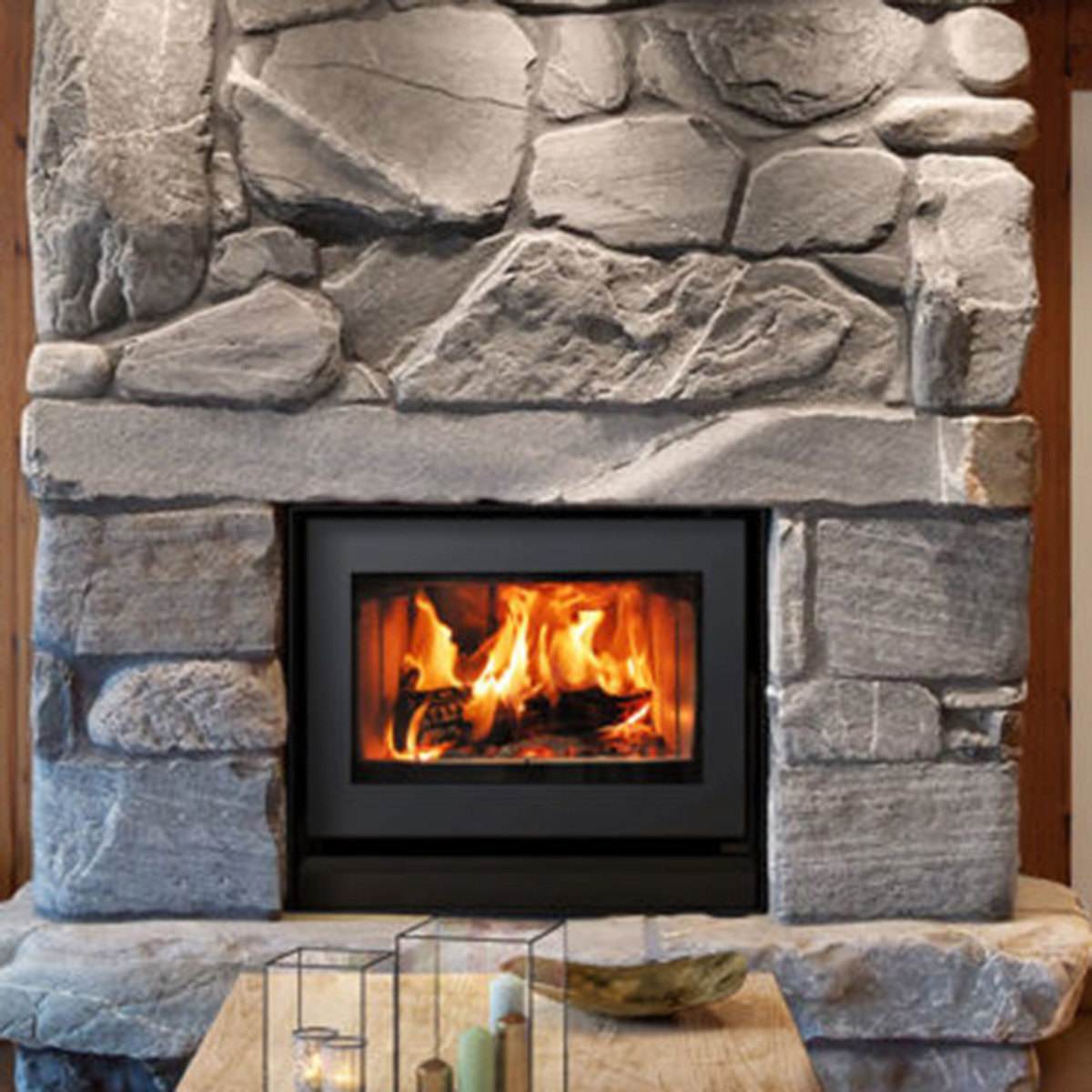
You can’t burn wood in your fireplace without creating some smoke, but you definitely can create less of it. If you’ve found that smoke and ash particles trigger your upper-respiratory allergies, reducing the amount of smoke when using your fireplace can make a huge difference for you.
Here are five ways to make less smoke.
1. Ensure a proper draft
Fireplaces and chimneys are designed to be efficient drafters. Air from the home moves into the firebox, pushing smoke and combustion gases up into and out of the chimney. If your flue is obstructed, there will be a drafting problem.
Built-up creosote and soot, along with tree debris and small animal nests, can block the flue passage and cause smoke and dangerous combustion gases to spill into your home. Address this problem by having your chimney swept (cleaned) once a year. You can install a chimney cap to keep out tree debris and animals.
2. Look at your chimney cap
A chimney cap with debris-clogged mesh can hinder draft and cause a smoke backup. Remove the debris yourself, or have your chimney technician do it during a chimney sweeping.
3. Check your damper
If your fireplace damper is rusted or damaged, it may not open fully when you start your fires. This can cause smoke to enter your room and your breathing passages. If you suspect there’s a problem with your damper, have it checked out by a chimney technician.
4. Burn seasoned wood
Damp firewood that hasn’t had at least 6 months to dry out contains a lot of moisture, producing a lot of smoke when ignited. Dry, seasoned wood has lost most of its natural moisture and creates minimal smoke.
5. Burn only cut firewood
If you use plastics, cardboard, metals, packing materials, or any other non-firewood items in your fireplace, you’ll be dealing with excess smoke and possibly dangerous toxins. Fireplaces are made to burn only wood in its natural state.
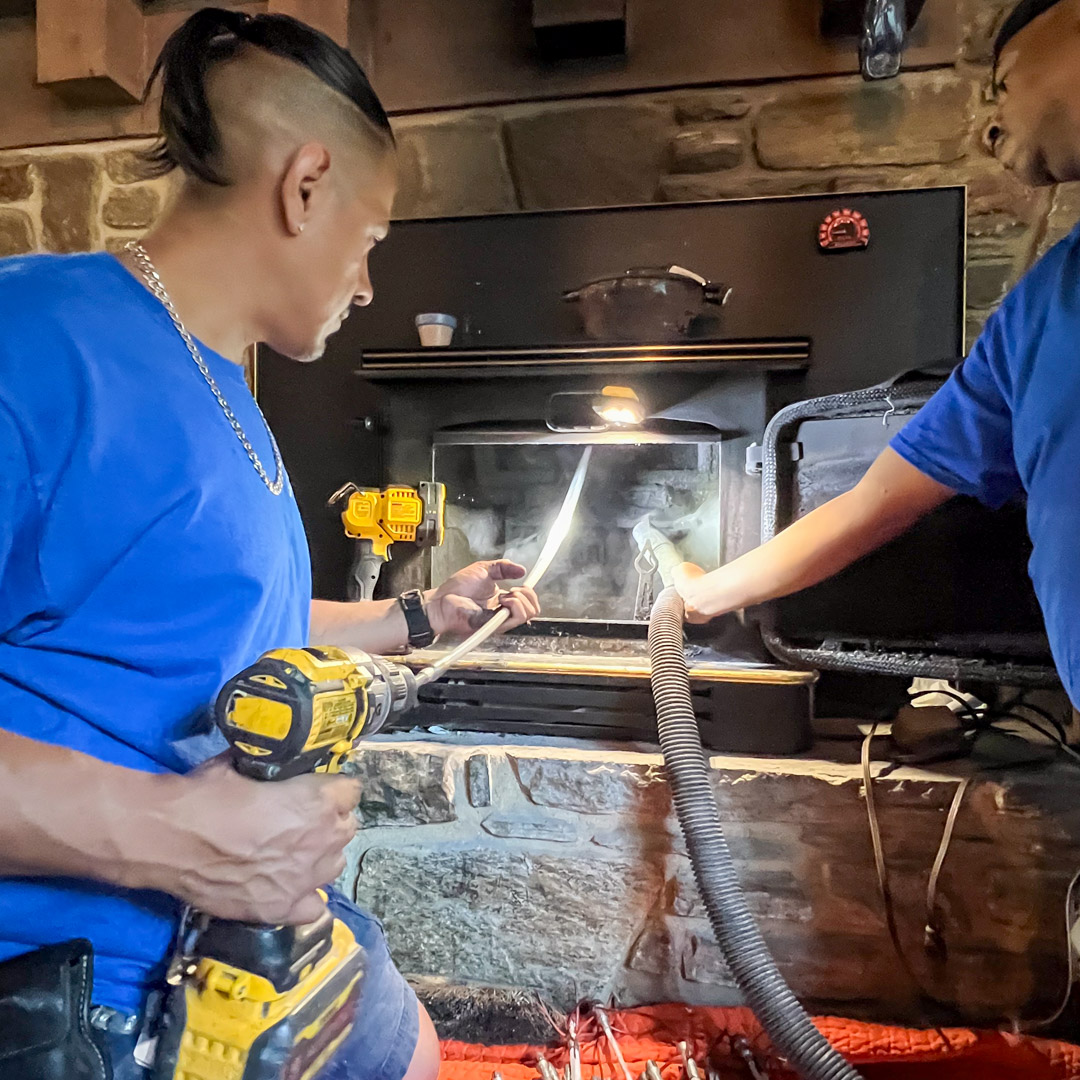 Dealing with a smelly chimney
Nobody likes a smelly chimney. People with highly sensitive allergy conditions like it even less. If strong odors from your chimney tend to intensify your allergies, take the following steps.
- Have your chimney swept to remove smelly creosote and soot.
- Fix chimney leaks to keep water from entering the flue and intensifying the natural odors.
- Install a chimney cap over the flue to keep small animals from building nests that rot and smell horrible. The cap will also prevent a very smelly, dead animal from getting into your chimney.
- Limit the use of kitchen and bathroom exhaust fans, which can pull odors out of the chimney and bring them into your home.
We can help with your chimney problems
Keystone’s Fireplace & Stove is known throughout the greater Harrisburg, PA, region for its selection of premier fireplaces and heating stoves. And our field division, Anderson’s Chimney Sweeps & Masonry Services, is known for expert chimney work by certified local technicians.
If you’re having trouble with your chimney, we know how to fix it safely and correctly. Learn more about chimney sweeping, chimney inspections, and chimney repairs by giving us a call. You can also reach out through our contact form.