It’s National Fire Prevention Week!
- Hits: 760
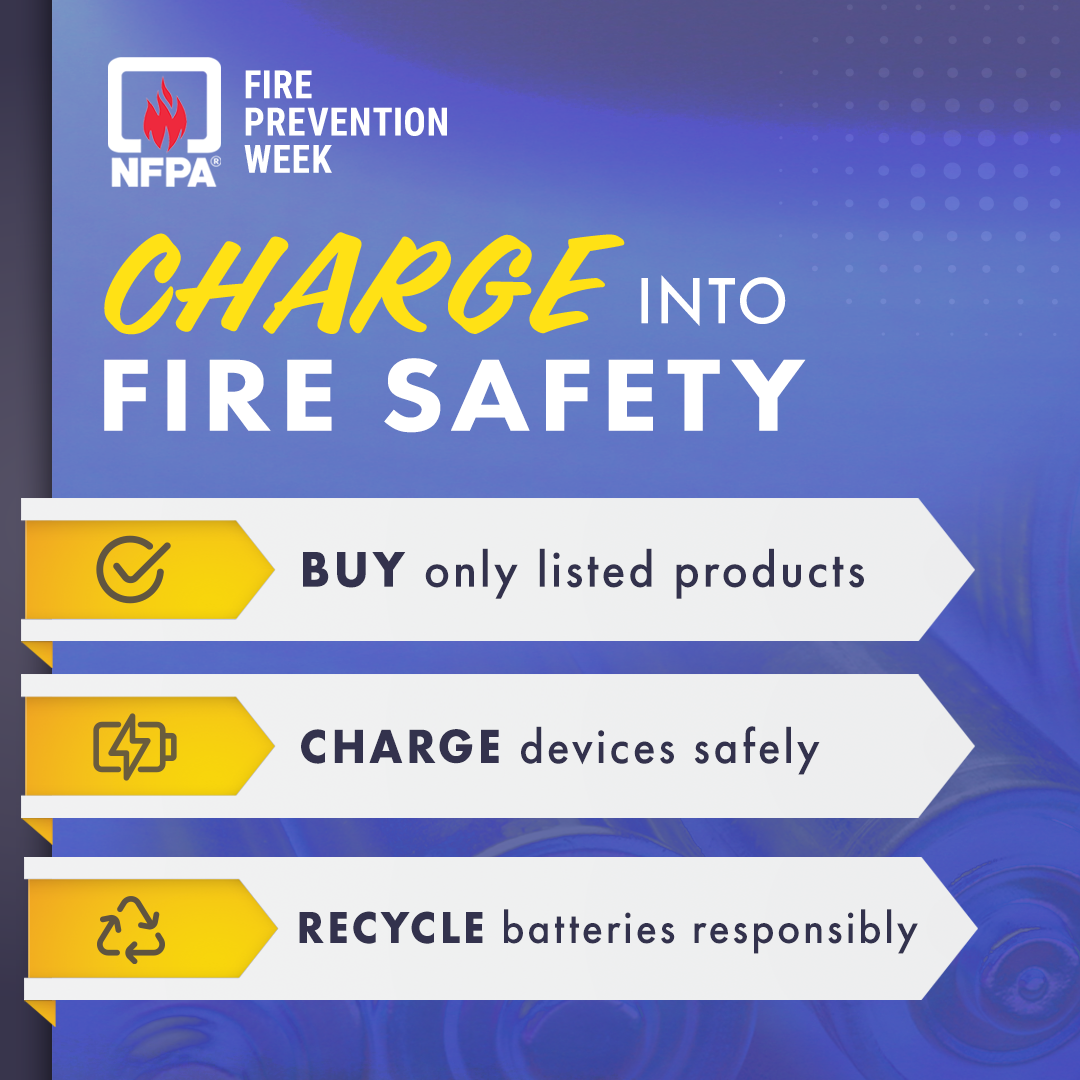 National Fire Prevention Week this year is October 5-11, and Keystone’s Fireplace and Stove wants you to be safe using your fireplace or wood stove this winter.
National Fire Prevention Week focuses on different aspects of home fire safety every year, and this year’s topic is about lithium-ion batteries, which are convenient but can be dangerous if you don’t treat them properly or use common sense.
The National Fire Protection Association has a simple tip: stick to buying devices with batteries that have been tested and certified by trusted labs like UL, ETL, or CSA. That stamp of approval means the battery has passed important safety checks.
And here’s another biggie—charging. Always use the charger and cord that came with your device. Those cheap knockoff chargers you see online? Not worth the risk. Also, charge your device on a hard surface, never on a couch, bed, or pillow.
Fireplace and Chimney Safety Tips
While there’s nothing quite like a fireplace, with its crackling fire and aroma that hearkens back to a simpler time, it can be extremely dangerous if you don’t protect yourself.
According to the U.S Fire Administration, thousands of chimney fires occur every year, many of which could have been prevented with routine maintenance and safe practices.
The good news is that keeping your chimney and fireplace safe isn’t complicated; it just requires a few smart steps and ongoing attention.
Here are some tips to ensure you and your family have a safe, cozy winter without worry.
Schedule Regular Chimney Inspections and Cleaning
The number one thing you can do (and the easiest) is to hire a professional chimney sweep to give your fireplace and chimney a good look over before winter. Over time, creosote (a highly flammable substance that comes from burning wood) builds up in the flue. Even a small spark can ignite it and cause a disaster.
Our certified chimney sweeps have the proper training and tools to remove creosote deposits and other obstructions that could lead to poor ventilation and fire.
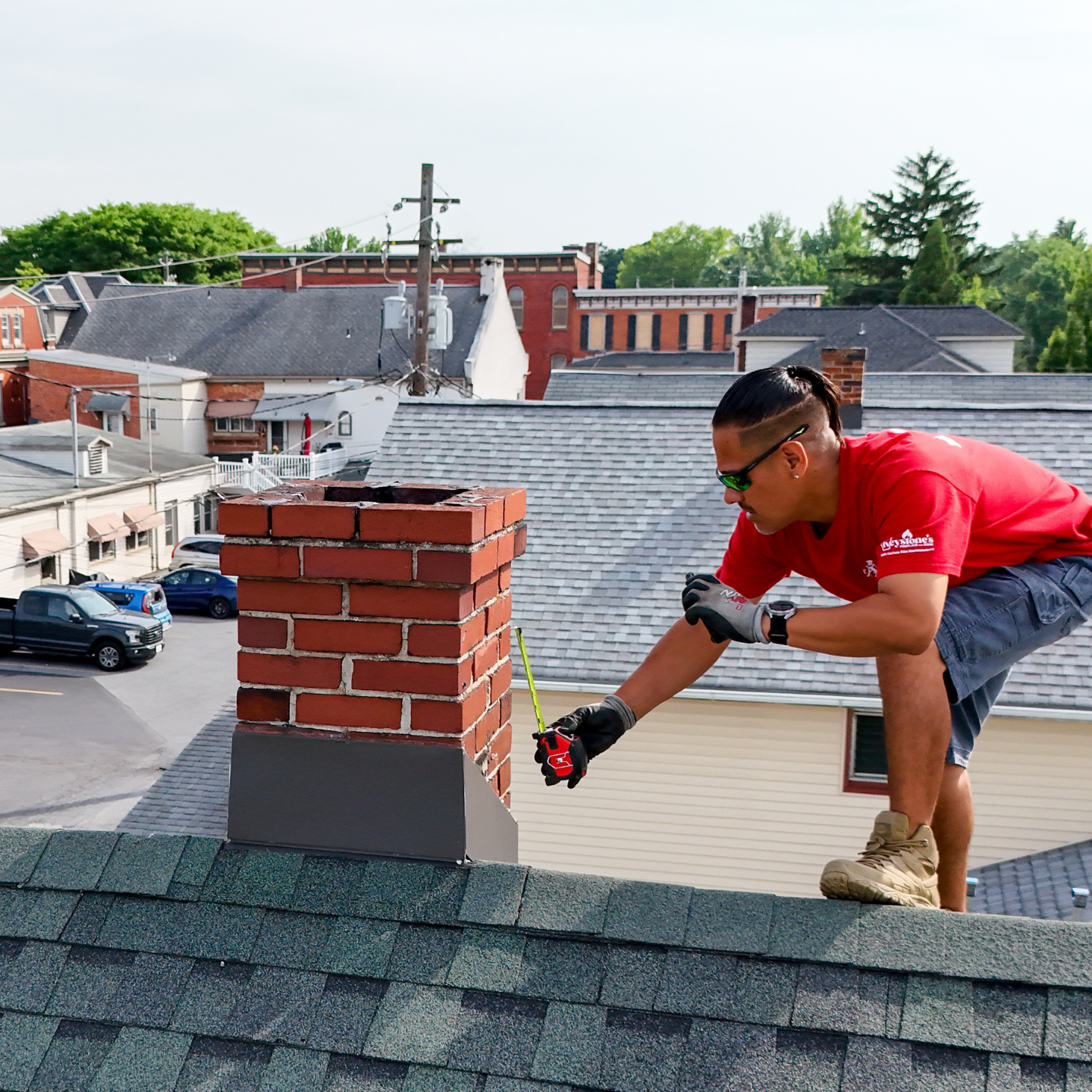
Our technicians also check for chimney damage, like cracks, loose or missing mortar joints, flue damage, and other problems that could compromise safety.
For homes that use fireplaces frequently during winter, mid-season cleanings may also be recommended. Investing in an annual inspection and cleaning can save you from costly repairs or a house fire later.
Burn the Right Materials
Many homeowners chuck whatever wood they can find into the fireplace. If this is you, please stop. You should only ever burn seasoned hardwood in your fireplace. Wood that has been dried for at least six months burns hotter and cleaner, producing less creosote. Avoid softwoods like pine, which generate more smoke and residue.
Also, stop treating your fireplace like an incinerator. Don’t burn trash, cardboard, or treated wood because they can release harmful chemicals and increase creosote buildup. Using the right fuel keeps your home safer and helps the fire burn more efficiently.
Keep the Fireplace Area Clear
A roaring fire might throw off embers or sparks, so it’s imperative to keep the area around the fireplace clear. Use a sturdy fireplace screen or glass doors to catch stray sparks, and never leave the fire unattended.
Keep furniture, rugs, curtains, and other flammable materials at least three feet away from the hearth. Also, make sure you have tools like a fireplace shovel and bucket nearby to handle ashes safely.
Watch Your Ash!
After a fire, the ashes might look harmless, but embers can stay hot for days. Always allow ashes to cool properly before disposing of them. Put them in a metal container with a tight-fitting lid and store the container outside, away from your home, garage, or deck. Never use paper bags, cardboard boxes, or plastic containers for ash disposal.
Check the Chimney Cap and Damper
A chimney cap is a small investment that provides big protection. It prevents animals, leaves, and debris from entering the chimney, which could block airflow and cause smoke to back up into your home. It also keeps rain out, which can damage your flue lining.
Meanwhile, the damper is what controls airflow when your fireplace is in use. Make sure it opens and closes properly—open during fires for proper ventilation and closed when not in use to keep drafts out.
 Don’t Overload the Fireplace
We get it; it’s tempting to pile logs on for a bigger, more dramatic fire, but overloading the fireplace can cause flames and embers to spill out, increasing the risk of sparks igniting nearby items. A smaller, controlled fire burns more efficiently, produces less smoke, and is much safer for your chimney and home.
Call Keystone’s Today
Keystone’s Fireplace and Stove is your trusted fireplace and chimney partner in South Central, PA. Call us today for a chimney and fireplace inspection so you and your family can enjoy winter without worries!